


The History of the Hermès Kelly Bag
The History of the Hermès Kelly Bag
From a saddler's dispatch bag to a princess's constant companion.
The Kelly bag history begins in the 1930s, when the house that started out making harnesses created a structured travel bag called the Sac à dépêches. It became the Kelly because Grace Kelly carried hers so often, and so famously, that the world began calling it by her name. In 1977 the house made that name official, and a dispatch bag became one of the most recognisable handbags ever made.

Where did the Kelly bag come from?
Long before it was a handbag, the Kelly was a piece of equestrian kit. Hermès began in nineteenth-century Paris as a harness maker, and one of its early designs was the Haut à Courroies, a tall bag with straps made for riders to carry their saddles. Its shape, its stitching and its sense of purpose all belong to the saddlery workshop.
In the 1930s, the house reinterpreted that saddle bag as something smaller and more refined: the Sac à dépêches, or dispatch bag. Most accounts credit Robert Dumas, son-in-law of Émile Hermès, with the design, although some sources credit Émile-Maurice Hermès himself. Whoever held the pencil, the result was unmistakable. A trapezoid body, two triangular gussets, a flap with a cut-out for the single top handle, and two side straps that close over the front. It was practical, structured and quietly elegant, and it stayed that way for two decades before anyone outside a small circle of clients knew its name.
It was never designed to be famous. It became famous because a woman would not put it down.
How did Grace Kelly give the bag its name?
Accounts of how Grace Kelly first came to the bag differ, and several connect it to her wardrobe for Alfred Hitchcock's To Catch a Thief, released in 1955. What every account agrees on is what happened next. In 1956, the year she married Prince Rainier III and became Princess of Monaco, she was photographed carrying her Sac à dépêches, and those pictures travelled the world.
Collectors began walking into boutiques asking for "the Kelly bag". The name followed the bag for years before it was made official, and in 1977 the house formally renamed the Sac à dépêches the Kelly. It is one of the rare cases in fashion where the customer named the product, and the house simply agreed.
What are the Kelly sizes and styles?
A Kelly is named by the length of its base in centimetres, so a Kelly 25 measures 25cm across. Sizes have ranged from tiny to travel-sized, and the Mini, the 25 and the 28 are among the most loved. Beyond size, the first question any collector asks is how the bag was stitched.
Sellier
The Sellier is stitched from the outside, the way a saddle is made. The seams are visible, the edges are sharp and the bag holds a crisp, rigid shape. It is the version closest to the original dispatch bag.
Retourne
The Retourne is stitched inside out and then turned the right way round, which hides the seams and softens the edges. It is usually made in a more supple leather, slouches gently with wear and holds a little more.
Variations on the theme
Over the decades the silhouette has been reimagined many times, from the slim Kelly Pochette clutch to versions in wicker and the compact Kelly To Go. The leathers vary as much as the shapes. Box calf, Togo and Epsom each wear differently, and our guide to Clemence, Togo and Epsom explains what each one asks of you. For the Kelly's sibling, its own story is told in the 48-hour journey of a Birkin.

How do you care for a Kelly bag?
A bag built on saddlery principles is made to be used, and the most beautiful Kellys are the ones that have been carried for years. Care is what lets that happen without worry. The approach depends on whether your bag is new or well travelled, but the starting point is always the same: the surface decides the method, and smooth or grained leather always takes the mitt.
Protect it before first wear
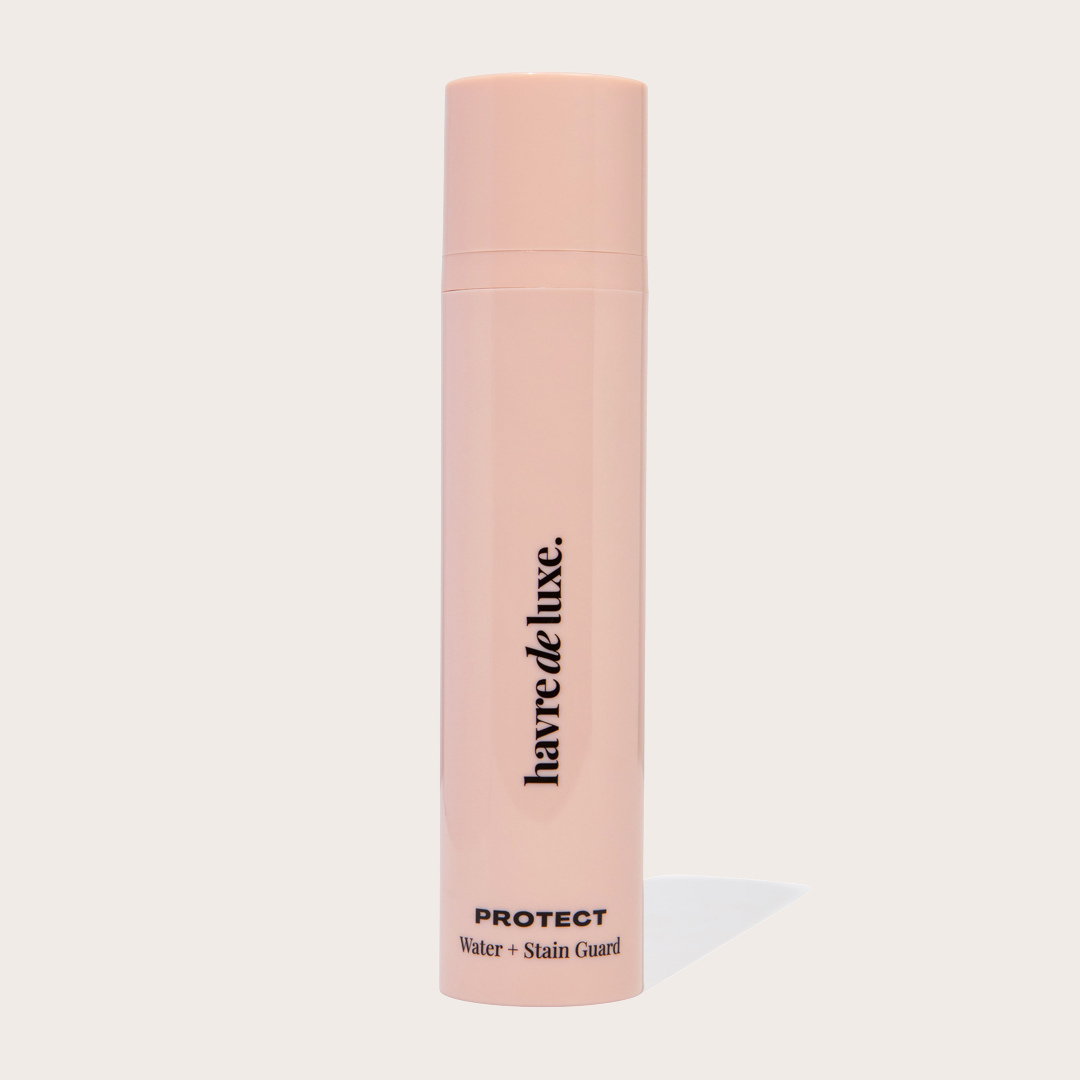
A new Kelly needs no conditioner, because new leather still holds its own oils. What it wants is Water and Stain Guard, applied before you carry it for the first time, for total peace of mind.
Apply to the mitt, never the leather
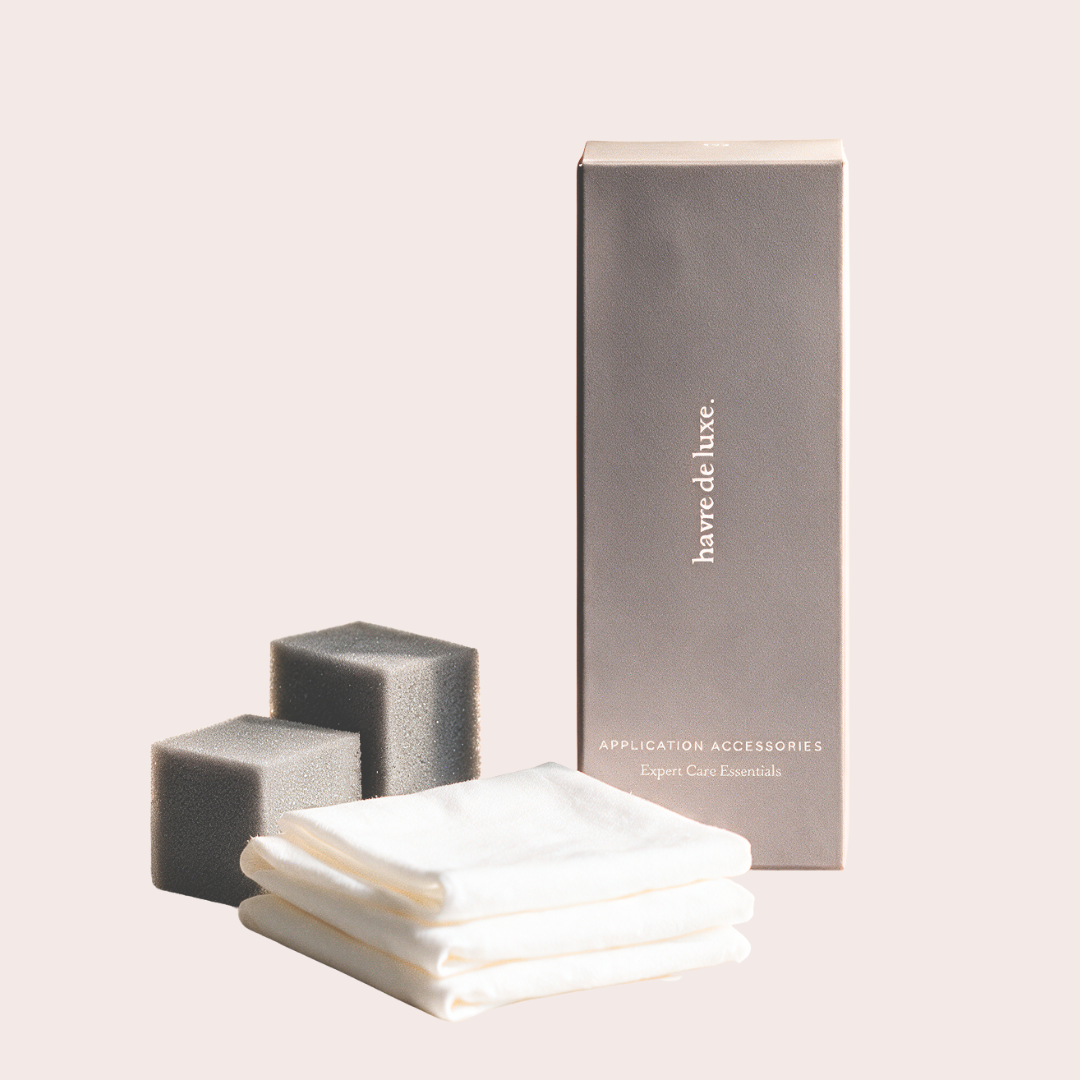
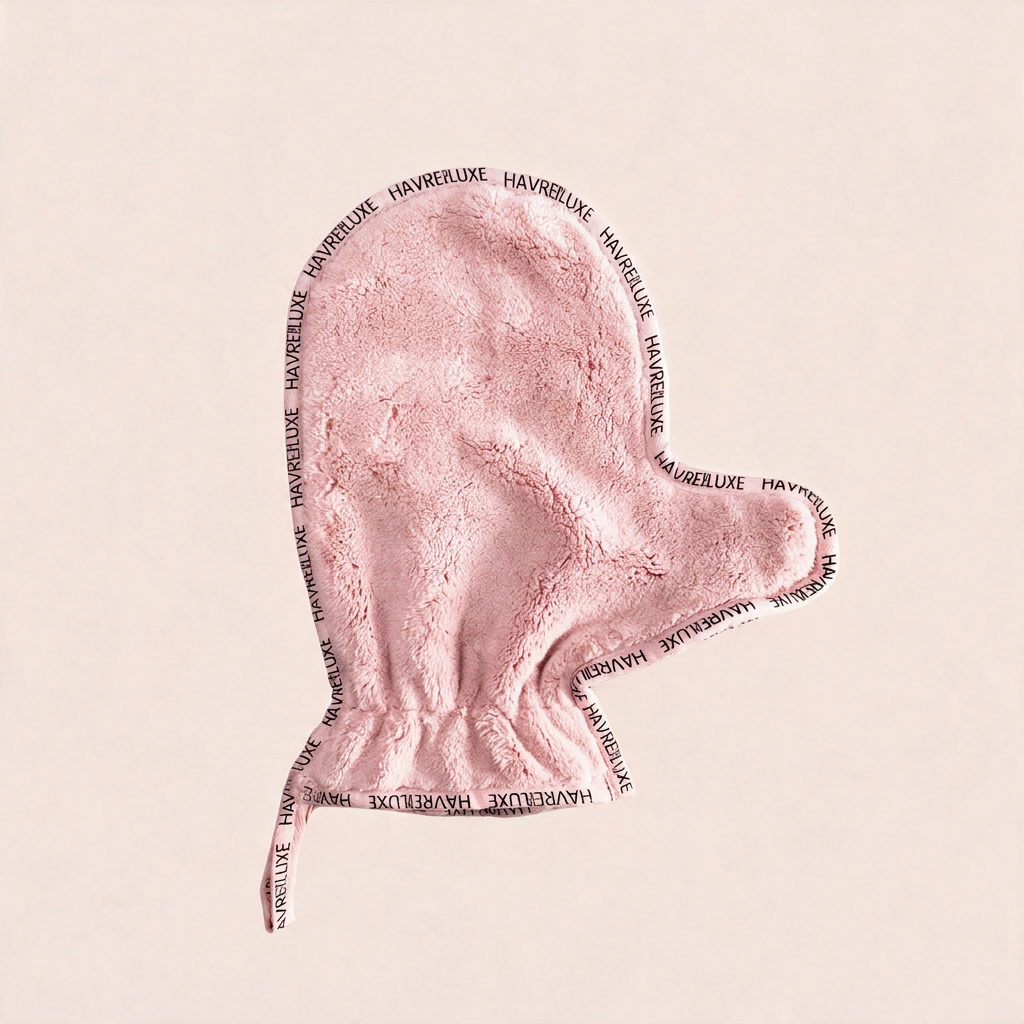
Spray two or three times onto the Application Mitt, then work over the leather in light, even passes, section by section. Never spray directly onto Box calf, Togo or Epsom, as a droplet left to dry on a finished surface can leave a mark.
Build in light coats
Let the first coat dry fully, then add a second light coat. Re-protect every 8 to 12 weeks depending on how often you carry it, and again after any cleansing.
Condition as the leather matures
Once your Kelly has been carried for a while, Nourishing Conditioner puts moisture back and leaves a UV filter behind, which helps guard against the drying that leads to cracking at corners and handles. Every other protect is plenty for leather in good condition.
Look after the hardware
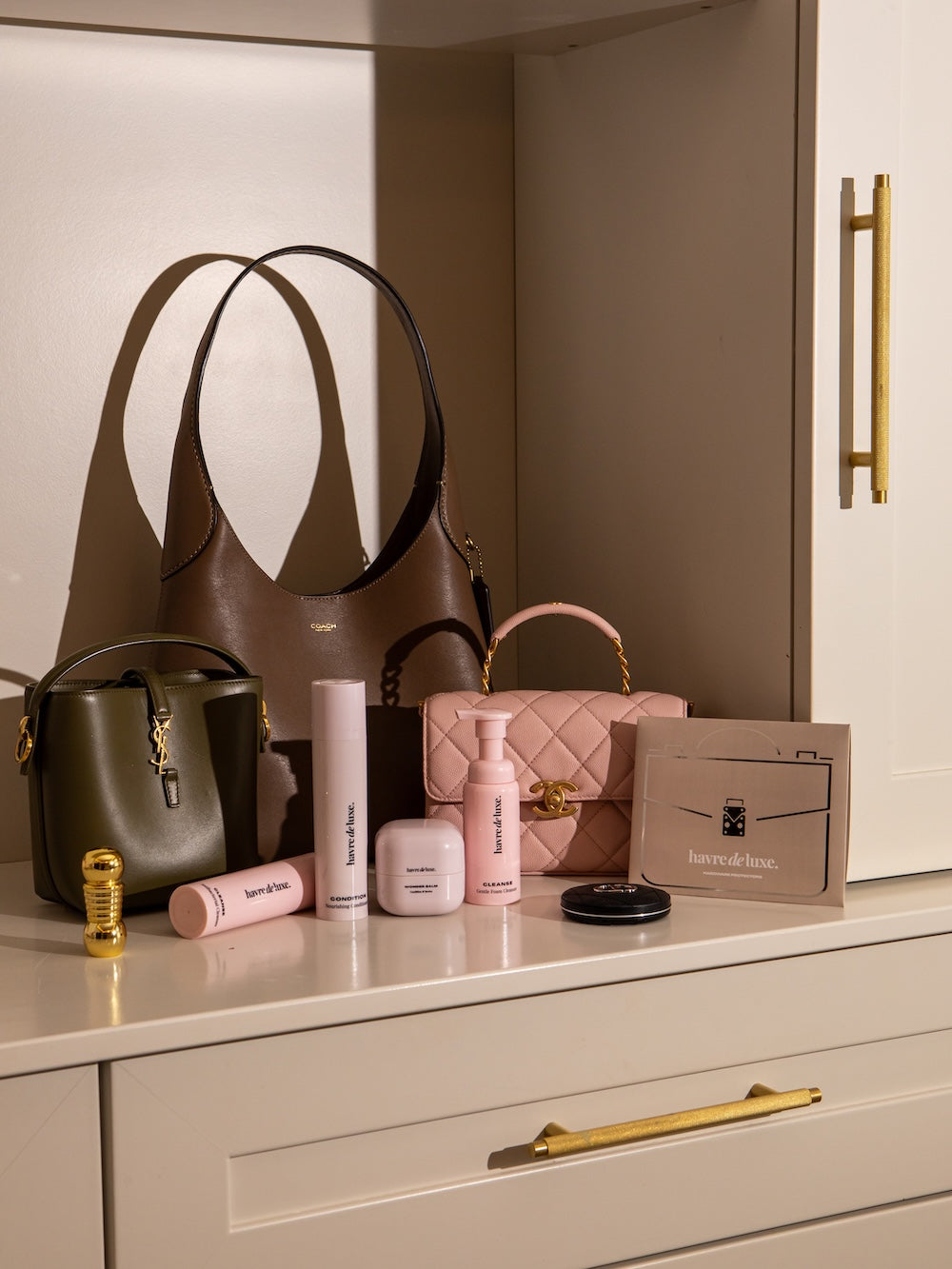
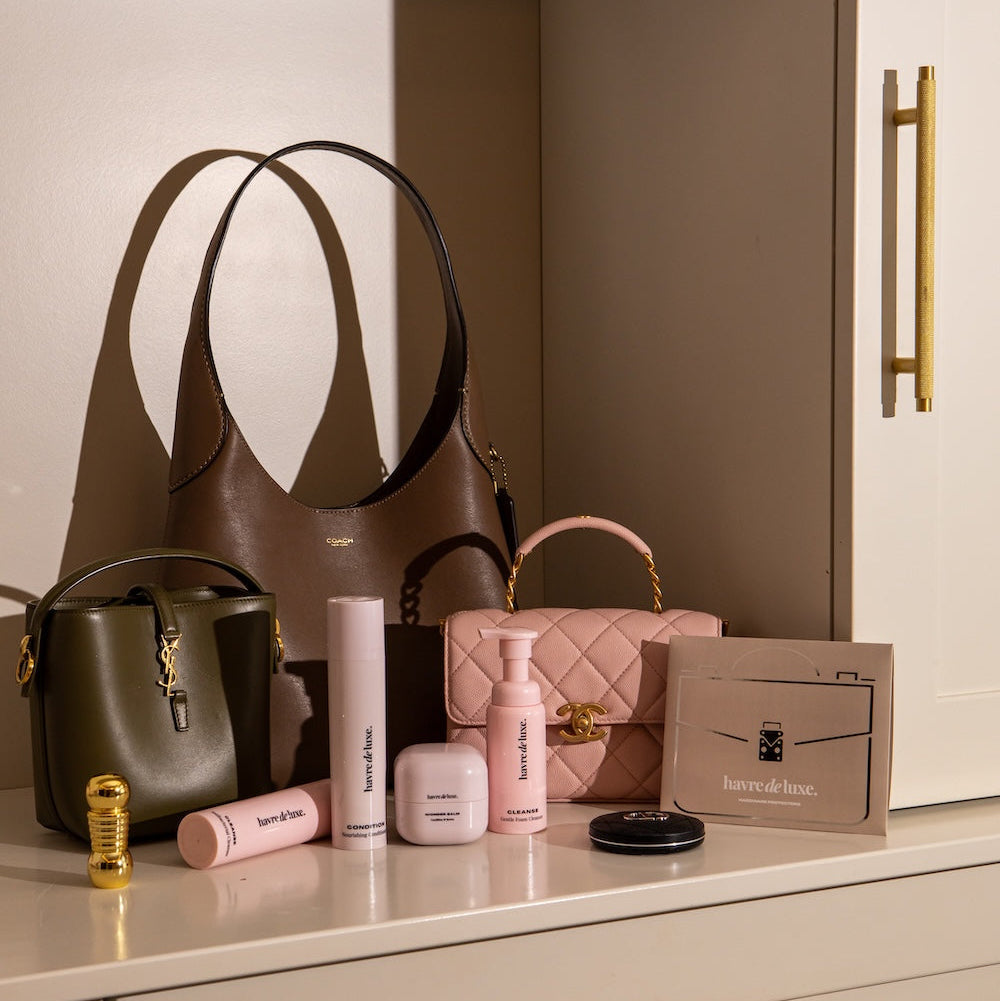
The turnlock, padlock and feet take the most contact. Havre de Luxe hardware protectors are made to order and sized for each Kelly, and you will find them with the rest of our care for your Kelly and Birkin. Our guide to hardware protectors explains how they work.
Always test any product on a small, hidden area first and let it dry completely. If your Kelly is in a delicate or unusual leather, our guide to caring for Epsom and Clemence covers the nuances.

FAQs
What was the Kelly bag originally called?
It was called the Sac à dépêches, a dispatch bag created in the 1930s and inspired by an earlier saddle-carrying bag, the Haut à Courroies.
When was the Kelly bag renamed?
The house officially renamed it the Kelly in 1977, more than twenty years after photographs of Grace Kelly carrying it in 1956 made it famous.
What is the difference between a Sellier and a Retourne Kelly?
A Sellier is stitched on the outside, with sharp edges and a rigid shape. A Retourne is stitched inside out and turned, so its seams are hidden and its shape is softer.
Does a new Kelly bag need conditioning?
No. New leather still holds its own oils. Protect it with Water and Stain Guard applied by mitt before first wear, and save conditioning for when the leather has been carried for a while.
Ready to carry your Kelly anywhere?
Protection, conditioning and made-to-order hardware protectors for the bag that started as a saddler's design. Made to the highest of standards in England.
SHOP KELLY AND BIRKIN CAREGrace Kelly never kept hers in a box. Neither should you.